 how-to
Why Buy Limited Edition Art Prints for Home Decor
Quick Summary
Limited edition art prints are numbered reproductions of an original artwork, made in a fixed run, so each one feels personal and collectible. For home decor, they add character to a room and give guests something real to talk about. Each print's number shows its place in a run that a limited number of other people also own.
- Each limited edition print carries a number showing its place in a fixed run.
- Limited editions can sell out, while open editions stay easy to buy.
- Check for a legible edition number and a clear product description before paying.
- Measure your wall with painter's tape to judge scale before buying.
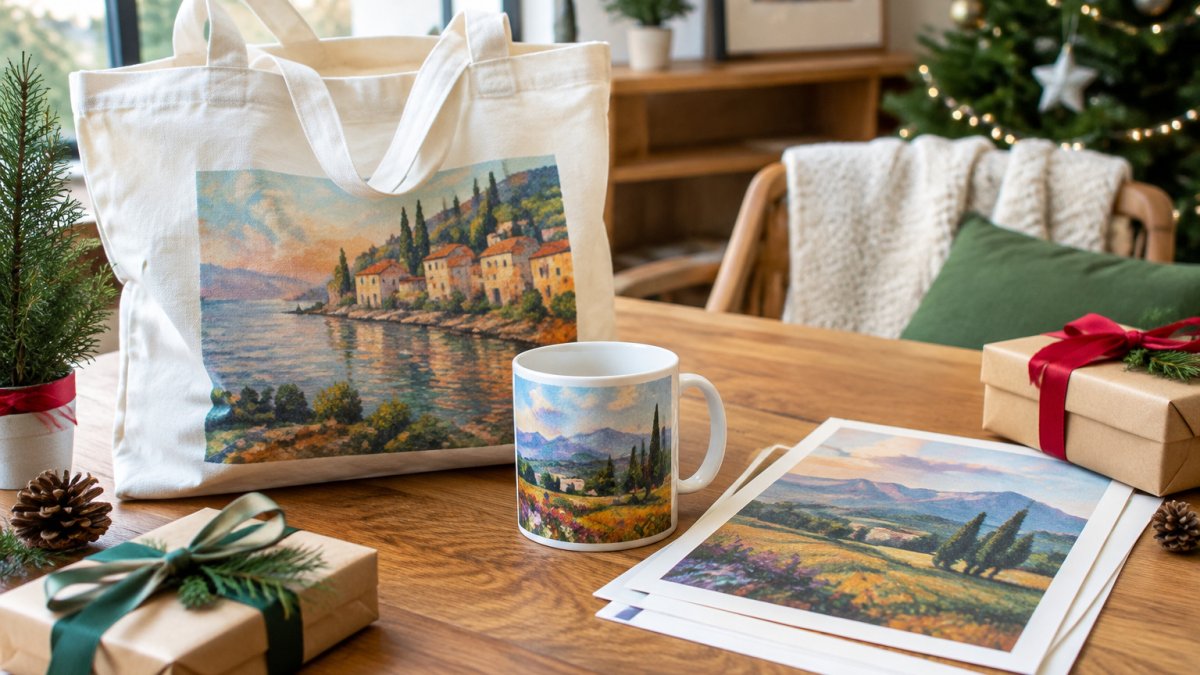
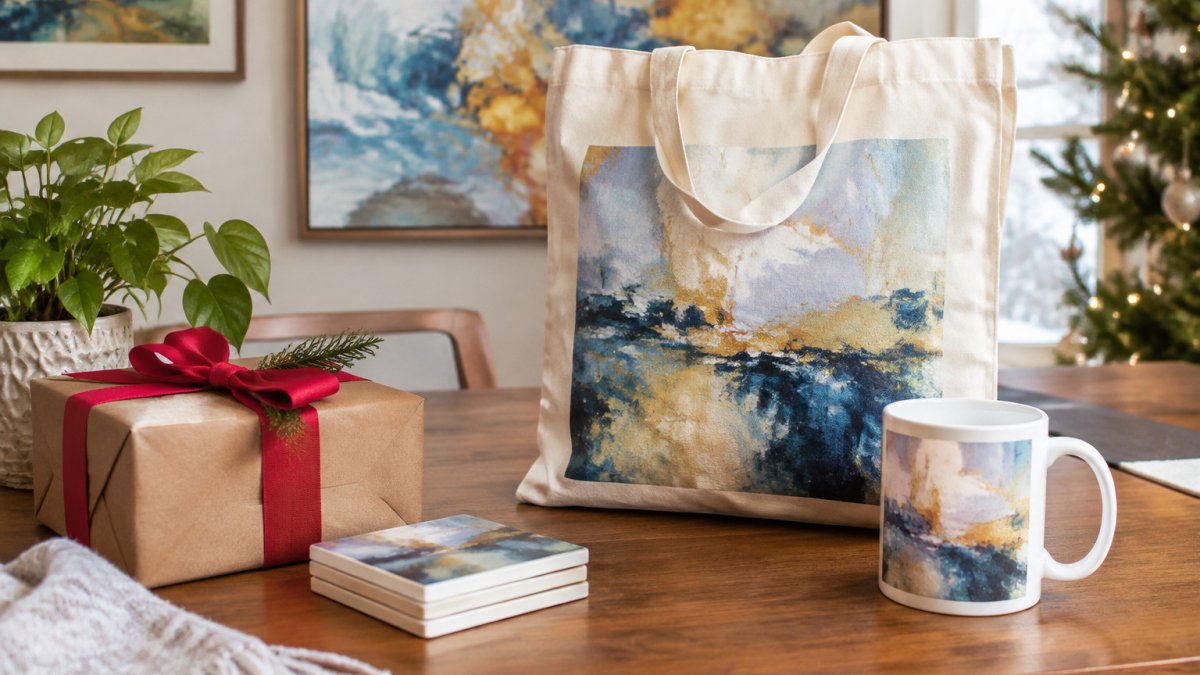
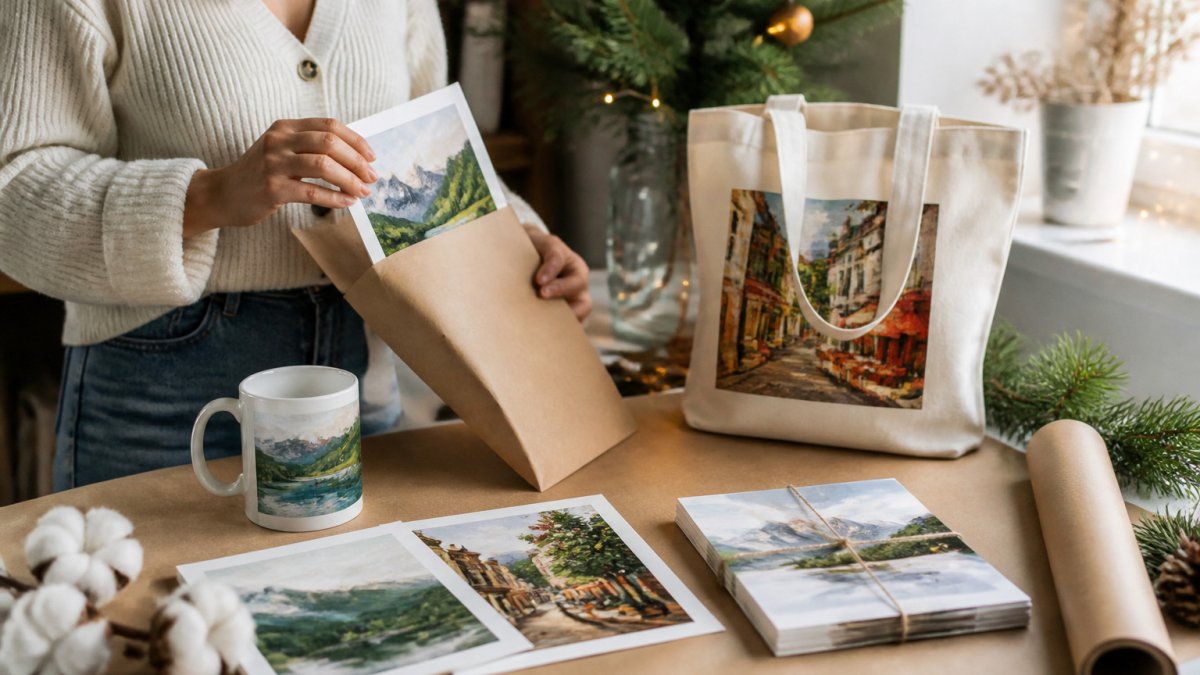
- Fine art prints are also available on totes and mugs as budget-friendly gifts.
Table of Contents
- What Limited Edition Art Prints Are and Why They Matter for Your Walls
- Limited Edition vs Open Edition Prints: What the Difference Means at Home
- How to Verify Limited Edition Art Prints Before You Buy
- How to Choose Art Prints for Home Decor Room by Room
- Care, Materials, and Long-Term Display
- Limited Edition Art Prints as Holiday Gifts on a Budget
- Choosing Your First Lux Landscape Art Print or Piece for Your Home
- Frequently Asked Questions
What Limited Edition Art Prints Are and Why They Matter for Your Walls
A limited edition art print is a reproduction of an original artwork, produced in a fixed and numbered run. Each print carries a number that shows its place in the run. This small detail is what separates a limited edition from ordinary poster art. When you hang one, you know you own a piece that a limited number of other people also own.
For home decor, this matters more than most buyers expect. A numbered print feels personal. It adds character to a room, and it gives guests something real to talk about.
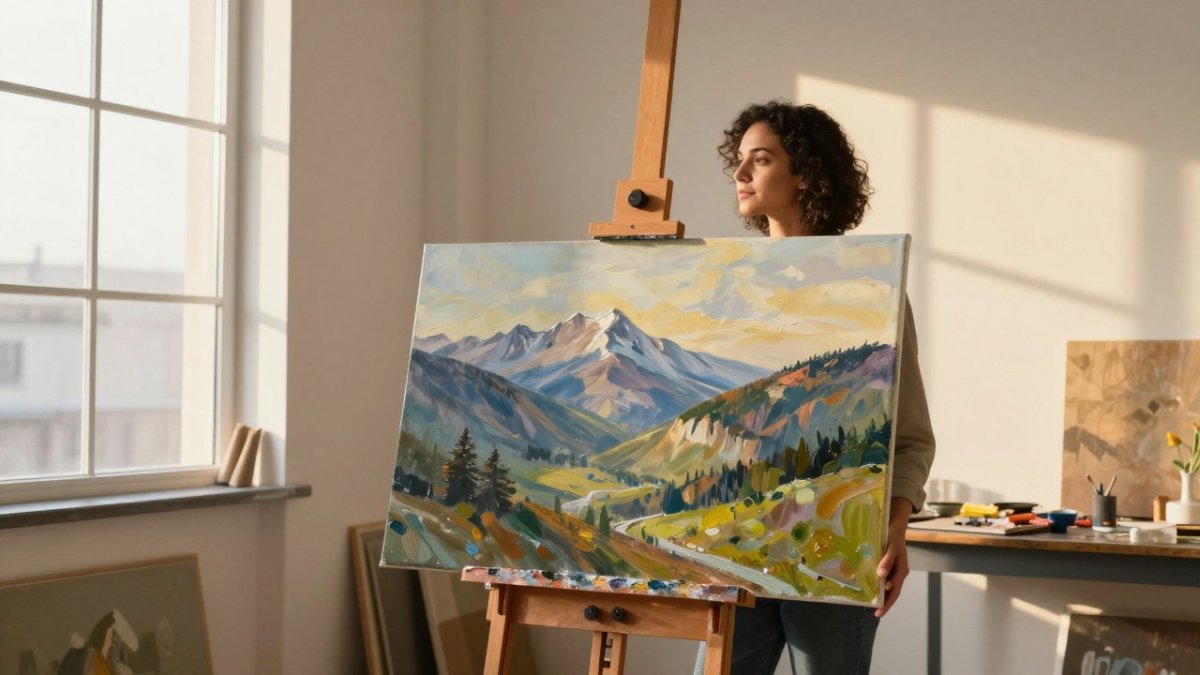
Lux Landscape Art offers a curated collection of fine art, including landscapes, town life scenes, and abstract originals created by artist Ginger Lux. The result is wall art that feels considered and collected.
Limited Edition vs Open Edition Prints: What the Difference Means at Home
An open edition print has no set limit. The publisher can keep producing it for as long as there is demand. A limited edition print stops at a fixed number. That difference shapes how the piece feels on your wall.
Here is what to compare:
- Availability: Open editions stay easy to buy. Limited editions can sell out.
- Numbering: Limited editions are numbered. Open editions usually are not.
- Feel: Limited editions tend to feel more personal and collectible.
- Price: Open editions are often the lower-cost choice, while limited editions are priced for their scarcity.
For a room you want to make feel special, a limited edition is often the better fit. For a hallway or a rental where you change things often, an open edition may make more sense. Both can look good. The right choice depends on how long you plan to keep the piece and how much it means to you.
Here is a quick side-by-side of how the two editions differ for your home.
| Feature | Limited Edition | Open Edition |
|---|---|---|
| Availability | Can sell out | Stays easy to buy |
| Numbering | Numbered | Usually not numbered |
| Feel | More personal, collectible | Everyday, flexible |
| Price | Priced for scarcity | Often the lower-cost choice |
How to Verify Limited Edition Art Prints Before You Buy
Before you buy, check that the print is what the seller says it is. A few simple steps help you avoid disappointment, and a practical checklist makes the process faster.
A buyer's authenticity and provenance checklist
Use this list before you pay:
-
Edition number present and legible. It should read like 12/100, showing the print's place in the run and the total run size. A missing number is a red flag.
-
Clear product description. Look for paper type, ink type, edition size, and whether the print is a reproduction or an original printmaking method such as a giclée, screenprint, or etching.
-
Seller documentation. Ask how the seller sources the edition and whether they can confirm the publisher or studio. A seller who cannot answer basic edition questions is a risk.
-
Condition notes. For any secondary-market print, ask about foxing, fading, tears, or previous framing damage.
What to ask about materials and longevity
Authenticity is not only about the number.
Lux Landscape Art is a verified trusted art seller, and you can explore the gallery's curated fine art collection. Fine art prints are also available on totes, mugs and similar items as budget-friendly holiday gifts.
How to Choose Art Prints for Home Decor Room by Room
Each room asks for something different. A living room often needs a larger, calmer piece that anchors the sofa wall. A bedroom usually suits softer colors and quieter scenes. A kitchen or dining area can take brighter, more lively work. The practical gap most guides miss is scale, placement, and color coordination, so here is a room-by-room approach with concrete rules of thumb.
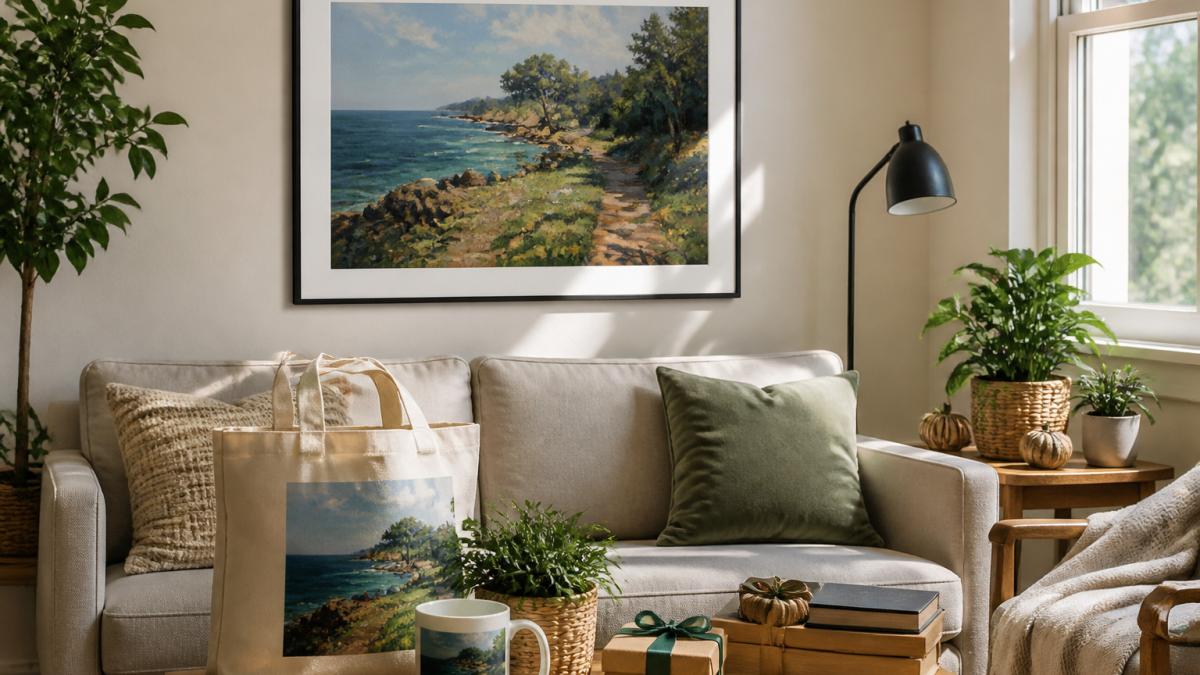
Living room
- Scale: Aim for art that covers roughly two-thirds to three-quarters of the width of the furniture below it. Above a sofa, a single large print or a tight group of two or three works better than several small, scattered pieces.
- Placement: Hang so the center of the artwork sits at about eye level, commonly around 57 to 60 inches from the floor, and leave about 6 to 10 inches of clear space between the bottom of the frame and the top of the sofa.
- Color: Pull one or two dominant tones from the print and repeat them in a pillow, throw, or rug. This ties the piece into the room without matching it exactly.
Bedroom
- Scale: A single print above the headboard should be roughly two-thirds the width of the bed. A pair of smaller prints works well when spaced evenly.
- Placement: Keep the bottom of the frame about 8 to 10 inches above the headboard so it does not crowd the pillows.
- Color: Softer, cooler tones tend to feel calmer in a bedroom; warmer tones can make the space feel cozier.
Kitchen and dining area
- Scale: Smaller prints or a grouped set suit narrow walls and breakfast nooks. Above a dining table, a single piece or a horizontal pair can anchor the seating area.
- Placement: Avoid hanging art directly over a stove or steamy sink; steam and grease are hard on paper and glazing.
- Color: Brighter, more lively work holds up in busy rooms and can echo the colors of dishes, linens, or plants.
Hallway and entryway
- Scale: Narrow walls suit vertical pieces or a stacked pair. A long hallway can take a row of smaller prints at consistent eye level.
- Placement: Keep the center line consistent across the row so the group reads as one unit.
- Color: Entryways often have less natural light, so lighter-toned prints with strong contrast stay readable.
If you are still deciding what fits your home, see how to visualize art in your home before buying. It walks through previewing a piece on your own walls.
Scale, Placement, and Color Coordination
Scale matters as much as style. A print that is too small looks lost on a big wall. A print that is too large can overwhelm a small room. As a rule of thumb, art should cover about two-thirds of the width of the furniture it sits above, and its center should sit at roughly eye level. Leave clear space between the print and any furniture below it so the piece can breathe.
Color is the next step. For a living room specifically, see this fine art guide for living room walls covers the choices in more depth. Pull one or two tones from the print and repeat them in a pillow, a rug, or a plant pot. This ties the piece into the room without matching it exactly. For more on coordinating palettes, this guide on matching art colors to room decor walks through the process.
Budget-friendly holiday gifting by room
If you are shopping for holiday gifts on a budget, match the format to the room. A fine art print on a tote or mug is an easy, low-cost gift for a kitchen, entryway, or office, while a framed print suits a living room or bedroom. Our fine art prints also come on totes, mugs, and similar items, so you can give a piece of art in a form that fits your budget and the person you are shopping for. Pricing depends on the item and the quantity, so check the current price on the product page or request a quote before you buy.
Care, Materials, and Long-Term Display
A print lasts longer when you protect it from the things that wear it down. Keep it out of direct, strong sunlight, which can fade colors over time. Hang it away from steam, such as a kitchen stove or bathroom shower, and avoid damp walls.
Choose framing with care. UV-protective glazing helps guard against fading. Acid-free mats keep the paper from yellowing against the glass. These choices cost a little more up front but help the print look its best for years.
Limited Edition Art Prints as Holiday Gifts on a Budget
Holiday shopping on a budget does not mean settling for something generic. A piece of art makes a thoughtful gift because it feels personal without requiring a large spend. It is the kind of present a friend or family member can display for years.
Consider these gift ideas:
- A fine art print for someone who loves a particular landscape or town scene.
- Merchandise printed with the art, such as mugs and tote bags, for smaller budgets.
- A matching set that pairs a print with an everyday item, so the gift feels complete.
Our fine art prints also come on totes, mugs, and similar items, so you can give a piece of art in a form that fits your budget and the person you are shopping for. Pricing depends on the item and the quantity, so check the current price on the product page or request a quote before you buy.
Looking for a gift collection to browse? Fine art gifts on a budget, with curated holiday picks, can help you narrow the choice.
Choosing Your First Lux Landscape Art Print or Piece for Your Home
Choosing a first piece can feel like a big step. Start with the room you want to change most and the colors you already live with. Pick a scene that makes you pause when you see it. That emotional reaction usually matters more than any trend.
Lux Landscape Art lets you preview artwork in your own space with augmented reality before you buy. When you are ready, sign up to hear about exclusive discounts and special promotions.
Frequently Asked Questions
What makes an art print limited edition?
A limited edition print is produced in a fixed, stated number of copies, usually numbered by hand (for example 45/150) and often signed by the artist. Once the edition is sold out, no more copies are made. That fixed run is what separates it from an open edition, where the printer can keep producing copies indefinitely. Check the edition size and numbering on the print itself or on its certificate before you buy, since those details define what you are actually getting.
Are limited edition art prints worth buying for home decor?
For many buyers, a print can suit a living room, bedroom or office by adding character and a personal point of view to the space. It suits a living room, bedroom or office well because it adds character and a personal point of view to the space. Treat any resale value as a bonus rather than the goal, since prices for prints can rise or stay flat. Buy the piece you will enjoy looking at every day.
How can you tell if a limited edition print is authentic?
Start by checking the seller's listing and any paperwork provided. Ask questions if anything is missing or inconsistent.
Can I buy limited edition art prints as gifts on a budget?
Yes. Fine art prints can be given as holiday gifts. Mugs and tote bags printed with artwork are another way to share a favorite image. Check the Lux Landscape Art website for current prices and availability before you plan your gift list.