 blog
blog
Fine Art Gifts on a Budget: Curated Collections for Holiday Shopping
Table of Contents
- Why a Curated Collection of Fine Art Makes the Perfect Holiday Gift
- Fine Art Prints on Tote Bags: Practical Art for Everyday Use
- Fine Art Mugs: Bringing Original Artwork Into Daily Routines
- Unique Art Gifts That Reflect Personal Style Without Breaking the Bank
- How Augmented Reality Art Preview Changes Your Shopping Experience
- Selecting Art That Matches Your Recipient's Taste and Space
- Building Confidence in Your Art Purchase: Authenticity and Trust
- Frequently Asked Questions
Last Updated: October 7, 2026
Why a Curated Collection of Fine Art Makes the Perfect Holiday Gift
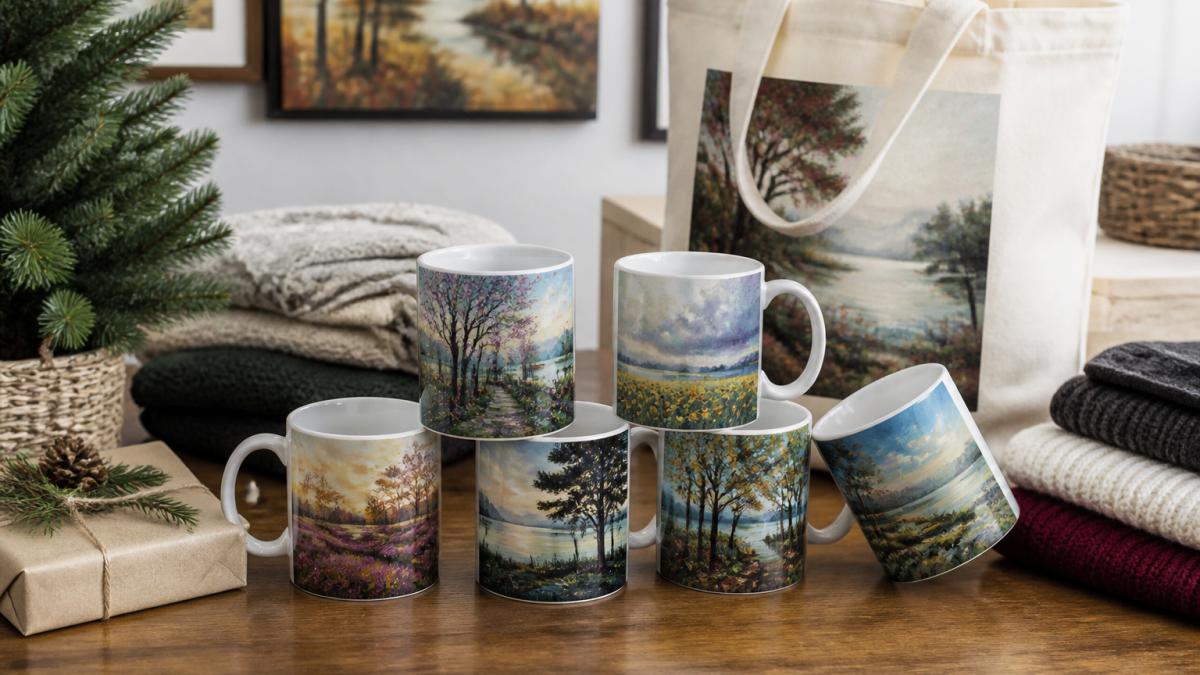
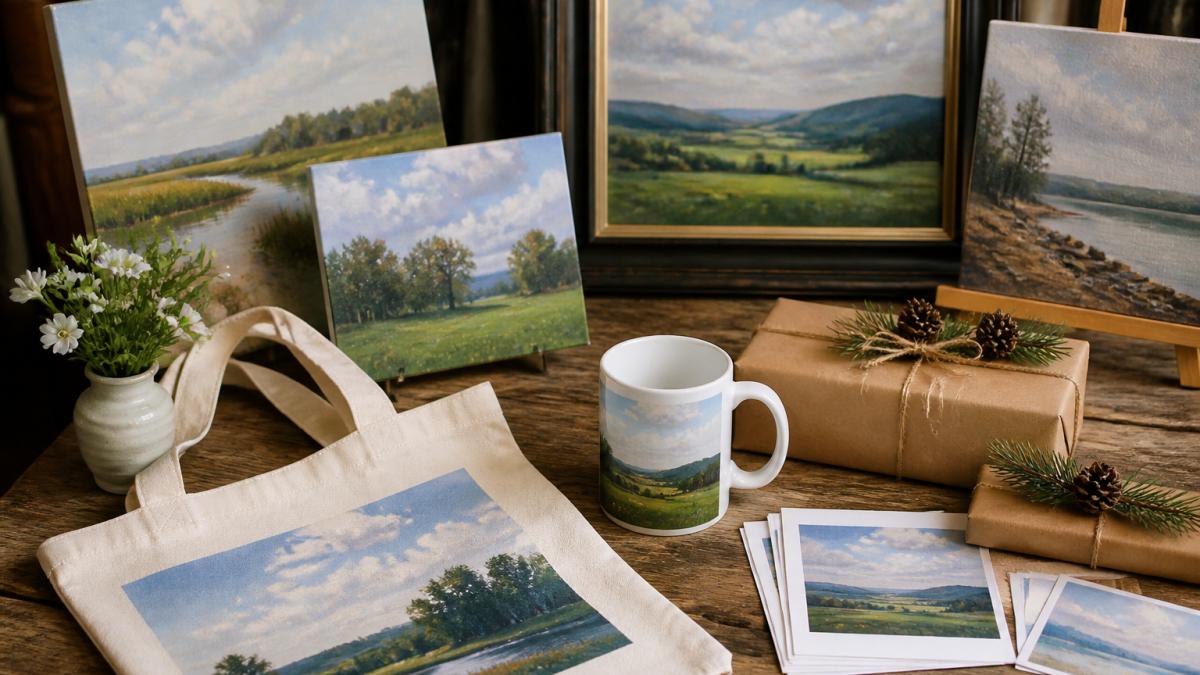
Holiday shopping doesn't require breaking the bank to give something meaningful. Our fine art gifts curated collection, especially printed on everyday items like tote bags and mugs, shares beauty and creativity without the premium price tag of original paintings.
The magic of a curated collection lies in its curation. Someone has already selected pieces that speak to different tastes, moods, and spaces, so you're choosing from thoughtfully assembled artwork rather than browsing endless options.
Fine art gifts work because they're personal without requiring you to be an art expert. A mug printed with a landscape feels more intentional than generic drinkware, and a tote bag featuring original artwork becomes a conversation starter.
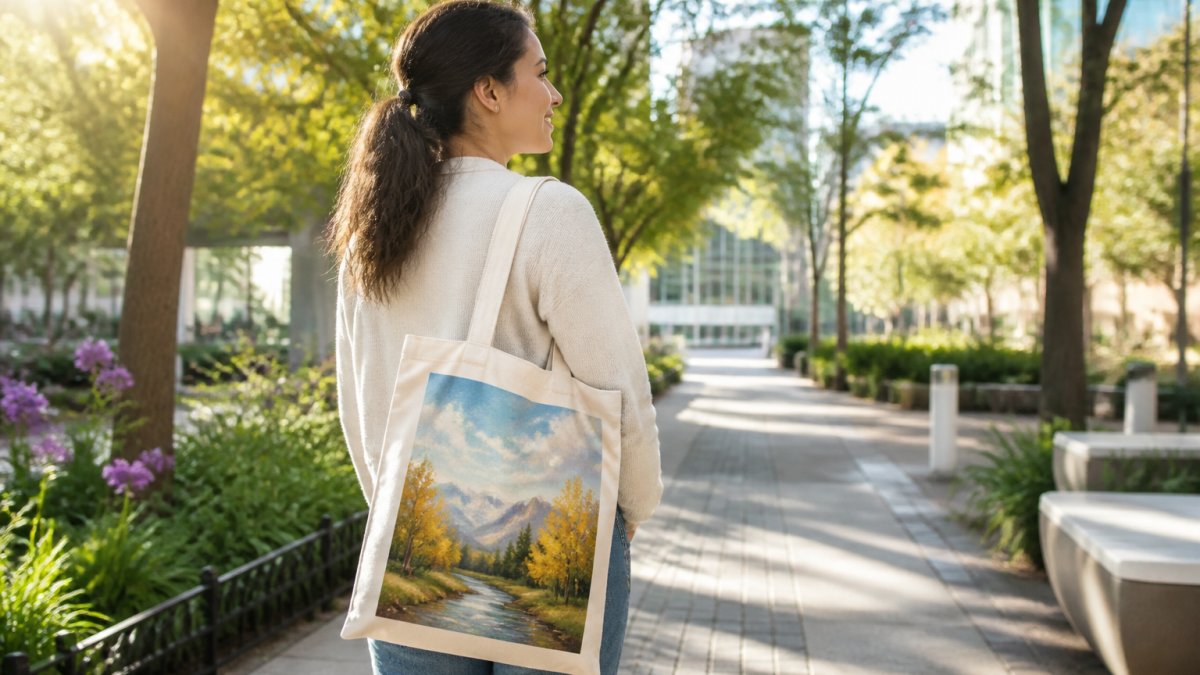
Fine Art Prints on Tote Bags: Practical Art for Everyday Use
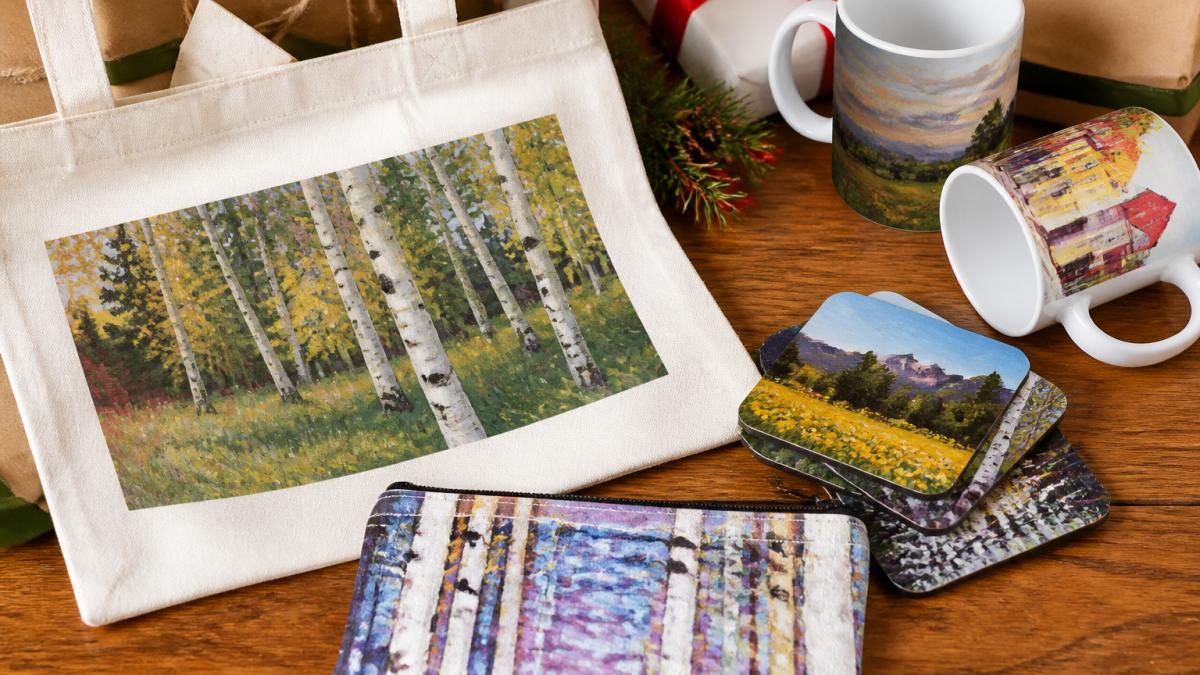
A fine art tote bag is one of the most versatile gifts you can give. It's functional for groceries, work, travel, and weekend errands, but it's also a daily reminder that beauty matters.
Quality matters here. A well-printed tote bag using durable inks and sturdy fabric holds up to repeated use and washing, and the artwork should stay vibrant rather than fade or crack.
Consider who you're shopping for. Someone who loves nature might connect with landscape artwork, a minimalist appreciates abstracts with clean lines and subtle palettes, and a creative professional might gravitate toward bold, expressive designs. A curated collection includes variety, so you can match your recipient's aesthetic.
Fine Art Mugs: Bringing Original Artwork Into Daily Routines
A fine art mug is an intimate gift. Every morning when someone reaches for their coffee or tea, they're interacting with artwork you chose for them, and over time that mug becomes part of their routine. Whether someone's home is modern, eclectic, minimalist, or maximalist, a thoughtfully selected artwork printed on a mug fits naturally, and unlike larger pieces that require wall space, a mug is low-pressure and practical.
Durability matters. Inks should be food-safe and resistant to fading through repeated washing. Mugs also make excellent gifts for people in smaller living spaces: not everyone has room for a large painting or print, but almost everyone uses a mug, so it introduces fine art without requiring wall space.
Unique Art Gifts That Reflect Personal Style Without Breaking the Bank
The challenge with holiday shopping is balancing uniqueness with affordability. Mass-produced gifts feel impersonal, while truly original artwork can be expensive. Our fine art gifts curated collection splits the difference: something distinctive and thoughtful without the luxury price tag.
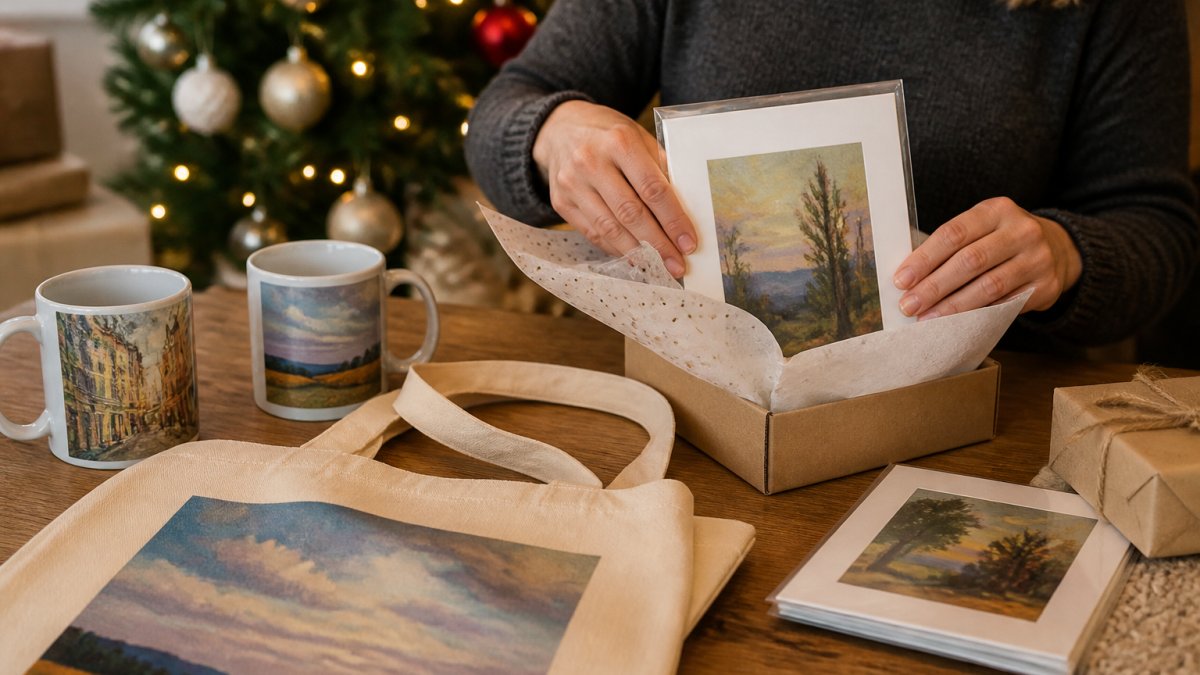
Unique art gifts are memorable. A generic gift card blends into the background, but a tote bag or mug printed with original artwork stands out, and the recipient remembers who gave it and why. Consider mixing and matching from a curated collection: give someone a tote bag and a matching mug, or build a small gift set with pieces that share a visual theme.
How Augmented Reality Art Preview Changes Your Shopping Experience
One of the biggest concerns when buying art online is uncertainty: will the colors look right in my space, will the scale feel appropriate? Augmented reality (AR) technology solves this by letting you preview artwork in your actual environment before you buy.
For fine art gifts, AR is genuinely transformative. Before buying a mug or tote bag for someone, you can preview how the artwork will look in their home if you know their space, or ensure the colors and composition feel right in your own. That confidence matters during the holidays, when returns and exchanges can be complicated.
How AR Preview Works Step by Step
- Surface detection. The app uses your device's camera and motion sensors to identify a flat surface, a wall, a tabletop, a shelf, or the floor. Good lighting improves detection accuracy.
- Scale anchoring. You place a virtual marker on the surface. The app calculates the distance and angle so the artwork renders at true-to-life scale.
- Material and lighting simulation.
- Placement and repositioning. You drag, rotate, and resize the piece. Some tools let you save multiple placements to compare options side by side.
- Snapshot and share. You capture a still image to send to the recipient or to compare against other pieces before deciding.
Using AR Preview for Gift Selection
When you're choosing a gift for someone else, AR preview becomes a research tool. If you've spent time in their home, mentally map their wall colors, furniture tones, and lighting, then preview a landscape against a warm neutral wall and an abstract against the same wall. For tote bags and mugs, you're evaluating how a composition crops onto a smaller, curved, or fabric surface: a wide panoramic landscape may lose its sense of scale on a mug, while a tightly composed abstract may hold up better.
Where AR Preview Still Falls Short
AR preview is helpful, but not perfect. Screen calibration varies across phones and tablets, so colors may differ slightly from the physical product, and fabric textures on totes and glaze on mugs are hard to simulate accurately. Use AR preview to eliminate obvious mismatches, wrong scale, clashing colors, awkward crops, then rely on product photography for final confirmation.
AR Preview and the Broader Curation Experience
AR is one layer of a larger curation experience. A well-built collection pairs preview technology with clear artist information, consistent product photography, and honest descriptions of materials and print methods.
Selecting Art That Matches Your Recipient's Taste and Space
Choosing fine art for someone else requires attention to their aesthetic preferences and living environment. Start by noticing what colors dominate their home: warm tones like rust, gold, and terracotta, or cool palettes with blues, grays, and whites?
The style of their home matters too. A modern, minimalist apartment suits abstracts with clean lines and limited palettes, an eclectic, bohemian aesthetic gravitates toward layered, colorful compositions, and a classic, traditional home pairs well with timeless landscape artwork.
Think about where they'll use the gift.
Building Confidence in Your Art Purchase: Authenticity and Trust
When you're buying fine art online, trust matters. How do you know you're getting authentic work from a real artist, and how can you verify it's legitimate rather than a cheap reproduction? These questions matter even more for gift-giving, because you're staking your judgment on someone else's behalf.
Most reputable sellers build trust through verifiable provenance, transparent artist relationships, secure transactions, and clear policies.
What Provenance Actually Means for Prints and Merchandise
Provenance is the documented history of a piece, who created it, when, and how it moved from the artist's studio to your hands. For original paintings, provenance often includes gallery records, exhibition history, and prior owners. For fine art prints on totes, mugs, and similar items, provenance works differently but still matters.
A trustworthy seller can answer basic provenance questions:
- Who is the artist? A named artist with a public body of work, a studio practice, and a consistent visual voice. Not a generic "in-house design team."
- What is the source image? Whether the print is reproduced from an original painting, a digital work, or a photograph of a physical piece.
- When was the source created? A date range or year, which helps establish the work's place in the artist's development.
- How was it reproduced? The print method and the color-matching process used to translate the original into a product.
- Is the edition limited or open? Limited editions are numbered and capped; open editions are reprinted as demand continues. Both are legitimate, but the distinction affects long-term collectibility.
If a seller can't answer these questions clearly, that's a signal. If they can, you have a foundation for trust that goes beyond a badge on a webpage.
Artist Compensation and Ethical Sourcing
A curated collection is only as strong as the artists behind it. Ethical sourcing means the artist is credited, compensated, and consulted, not just licensed once and forgotten. In practice:
- Named credit on every product page. The artist's name appears alongside the work, not buried in a footer.
- Ongoing royalties or licensing terms. Many sellers operate on a royalty model where the artist earns a percentage of each sale. Others pay a flat licensing fee. Both are common.
- Artist approval of reproductions.
- Respect for the original work. Reproductions should not distort, recolor, or crop the artwork in ways the artist hasn't approved.
When you buy from a collection that follows these practices, your gift supports the artist directly rather than just the seller's margin.
Authentication and Verification Signals to Look For
Beyond provenance, concrete signals show a seller takes authentication seriously:
- Certificate of authenticity.
- Holographic or numbered labels. Common on limited-edition prints and some merchandise lines.
- Consistent product photography. The same artwork shown across multiple products should look consistent in color and composition. Wildly different renderings suggest stock imagery or unverified reproduction.
- Detailed artist bios. Not just a name, but background, training, influences, and a statement about the work.
- Verifiable business identity. A real address and a real customer service channel. Not just a contact form.
Secure Checkout, Returns, and the Practical Side of Trust
Secure checkout with encryption protects your personal and financial information. SSL security indicators, usually a padlock icon in your browser, mean your transaction is protected, which is especially important during the holidays. Return policies matter too: a business confident in its product offers clear return and exchange policies. Customer reviews and testimonials provide real-world perspective, telling you whether a seller is trustworthy.
A Simple Trust Checklist for Holiday Art Gifting
- Can I name the artist and describe their work in one sentence?
- Does the product page explain how the artwork was reproduced?
- Is there a clear return policy?
- Does the seller disclose how artists are credited and compensated?
- Are the product photos consistent with the artwork shown elsewhere?
- Is checkout secure and is the business identity verifiable?
If you can answer yes to most of these, you're shopping from a collection that treats both the art and the buyer with respect, the kind of confidence that makes a holiday gift feel genuinely special.
Frequently Asked Questions
How do I know if fine art prints on tote bags are authentic and high-quality?
Authentic fine art prints on tote bags come from verified art sellers who source directly from the artist or licensed creators. Look for sellers with trust badges and transparent information about the artist. The print quality should match the original artwork's colors and detail. Lux Landscape Art, for example, uses original artwork by artist Ginger Lux and maintains secure, verified seller status, ensuring what you receive is genuine and professionally produced.
Can I use augmented reality art preview to see how a fine art mug or tote bag will look before buying?
Yes, augmented reality art preview technology lets you visualize how artwork will appear in your space or on items before purchase. This is particularly useful for understanding color accuracy and how the design works with your home's aesthetic. With AR preview, you can see the fine art mug or tote bag in realistic lighting conditions, reducing the risk of disappointment when your gift arrives.
What makes unique art gifts from a curated collection different from mass-produced merchandise?
A curated collection of fine art gifts features original artwork selected for quality, artistic vision, and cultural heritage rather than generic designs. Each piece carries the artist's creative intent and authenticity. Items like fine art mugs and tote bags printed from a curated collection offer personality and meaning that mass-produced alternatives lack, making them more meaningful gifts that reflect the recipient's taste.
Are fine art gifts on a budget actually affordable for holiday shopping?
Yes. Fine art merchandise like printed tote bags and mugs make original artwork accessible at various price points. These items let you give genuine artistic pieces without the cost of original fine art paintings. A curated collection often includes options across different budgets, so you can find thoughtful, authentic art gifts that fit your holiday shopping needs without overspending.