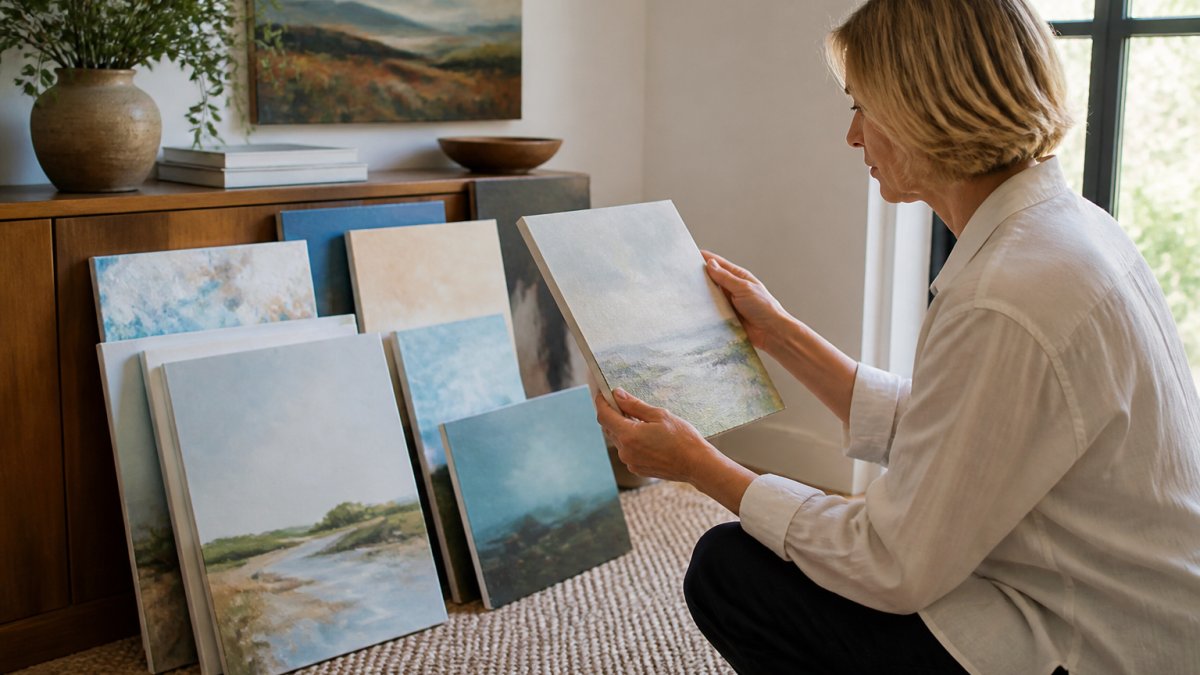
 ultimate-guide
How to Collect Art for Beginners: Start Your Collection
Table of Contents
- Start Collecting Art: Define Your Taste and Budget
- How to Buy Original Art Online Safely
- Using Augmented Reality to Buy Art with Confidence
- Tips for New Art Collectors: Research, Provenance, and Care
- Digital Art and NFTs: A New Collector's Frontier
- Tax, Insurance, and Logistics for Your Art Collection
- Frequently Asked Questions
Last Updated: September 30, 2026
Start Collecting Art: Define Your Taste and Budget
Learning how to collect art for beginners starts with two decisions: what you like looking at, and what you can comfortably spend. This guide from Lux Landscape Art covers both, plus buying online, verifying authenticity, and the logistics most guides skip.
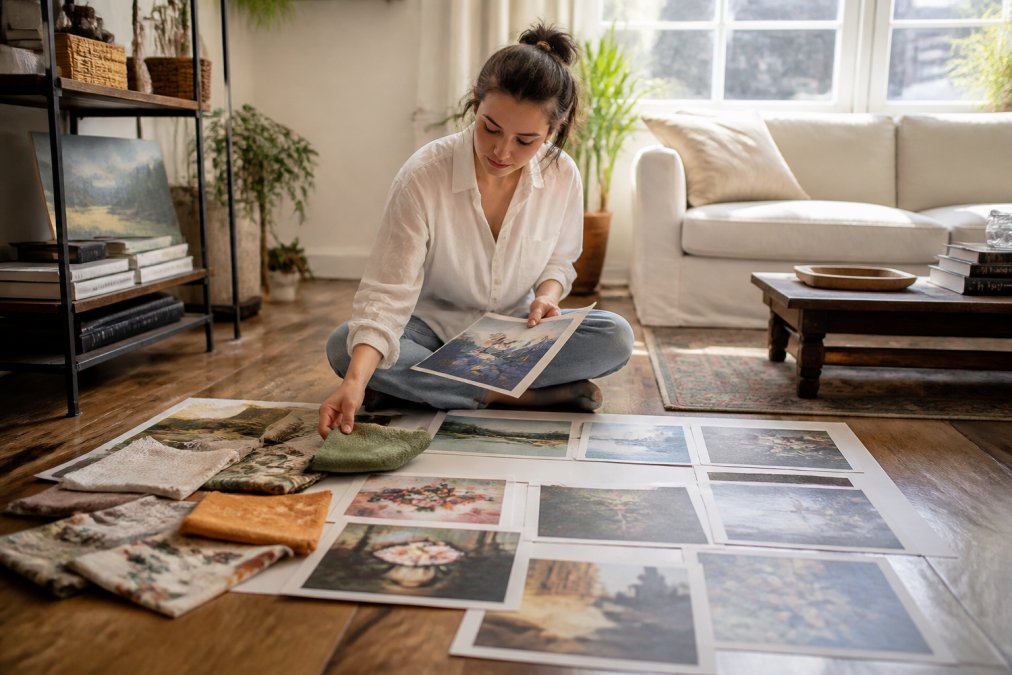
Finding Your Aesthetic: Landscapes, Abstracts, and More
Most new collectors start too broad. Look at fifty works before buying one, and note which ones you return to.
Try this filter:
- Save images that stop your scroll for more than five seconds
- Group them by mood, not by artist name
- Notice whether you favor warm or cool palettes
- Check whether the piece suits your actual wall, not a gallery wall
A dramatic abstract can overpower a small room.
Setting a Realistic Budget for Original Art
Set your budget before you browse. A common approach is an annual art fund divided into two or three purchases rather than one.
How to Buy Original Art Online Safely
Buying original art online is safe when you verify three things: the seller's identity, the work's documentation, and the return policy. Skip one and you take on unnecessary risk.
Then check what accompanies the piece. Ask directly:
- Is this an original or a reproduction?
- Does it come with a signed certificate of authenticity?
- What is the documented provenance?
- What is the return window, and who covers return shipping?
Verifying Authenticity and Certificates of Provenance
Provenance is the documented ownership history of an artwork, from creation to today. It is the most important authenticity signal you can request.
Using Augmented Reality to Buy Art with Confidence
Augmented reality solves the biggest problem in online art buying: you cannot tell how a piece will look on your wall until it arrives. AR preview shows the work in your space, at scale, before you pay.
Here is how it typically works:
- Open the artwork listing on your phone
- Tap the AR preview option
- Point your camera at the wall where the piece would hang
- Adjust the placement and size to match your room
- Compare against your existing furniture and lighting
Tips for New Art Collectors: Research, Provenance, and Care
Most beginner guides say "research the artist" and "understand the market" and stop there. This section gives you the verification mechanisms that separate a confident purchase from a hopeful one.
How to Verify Authenticity Before You Pay
Authenticity verification is the most underserved topic in beginner art collecting, and the one that protects your money. Work through these checks in order.
Research the Artist Like a Buyer, Not a Fan
Look for three signals that a body of work is durable:
- Consistency. A coherent body of work over several years, not a handful of one-off pieces.
- Exhibition history. Group shows, solo shows, or art fair appearances that you can verify independently.
- Gallery representation. At least one gallery that lists the artist on its roster and can speak to the work.
Understand the Primary and Secondary Market
The primary market is work sold for the first time, usually through the artist or their gallery, with prices set by them.
Plan for Care Before the Work Arrives
Original canvas works need stable humidity, indirect light, and a spot away from radiators and air vents. Works on paper, including watercolors, prints, and photography, should be framed behind ultraviolet-filtering glass, especially near windows.
Digital Art and NFTs: A New Collector's Frontier
Digital art is created and delivered in digital form; NFTs are blockchain tokens recording ownership of a specific digital file. The artwork and the token are separate things, and confusing them is where most beginners lose money.
A practical approach for beginners:
- Treat digital art as a distinct budget line, not a substitute for physical work
- Verify the artist's identity through their own channels before buying
- Check whether the marketplace has a history of honoring royalties
- Store your wallet credentials offline
Tax, Insurance, and Logistics for Your Art Collection
Two practical questions trip up new collectors: is my art insured, and what happens when it ships? A third decides whether your collection survives a decade: how do you document it? This section covers all three.
Insuring Your Art: What Standard Policies Actually Cover
Most standard home contents policies cap fine art coverage at a low threshold, and many exclude it entirely once a work crosses a certain value. The threshold varies by insurer and country, so ask your insurer directly and get the answer in writing.
You generally have two options:
- Scheduled item on your home contents policy. You list the work individually with a stated value. This is usually the cheaper route for one or two pieces.
- Standalone fine art policy. A dedicated policy that covers the work in your home, in transit, and sometimes in storage. This is the standard route once a collection has several works or a single high-value piece.
- The certificate of authenticity
- The purchase receipt
- A dated photograph of the work in place
Tax: A Framework, Not a Guess
Tax treatment of art purchases varies by country and by whether the work is held for enjoyment or as an investment. That is a reason to know which questions to ask a qualified accountant in your jurisdiction.
Bring these four questions to that conversation:
- Is the purchase subject to sales tax or VAT at the point of sale, and does that change if the seller is in another country?
- If I sell the work later, is the gain treated as capital gain or as ordinary income?
- If I import a work from another country, what duties apply and at what declared value?
- If I donate the work to a museum or charity, what documentation does the receiving institution require?
Shipping: How Original Art Should Actually Move
Original works should move in a custom crate with glassine or foam protection, never a soft envelope. This is the difference between a work arriving intact and one arriving with a cracked surface or bent corner.
A few specifics that matter:
- Works on paper should be shipped flat or in a rigid tube, with glassine between the surface and any packing material. Never tape directly to the artwork.
- Canvas works should be crated with the painted surface facing away from the crate wall, with foam blocks holding the stretcher bars in place so the canvas does not flex.
- Framed works with glass should have the glass taped in an X pattern on the outside before crating, so that if the glass breaks, the shards stay in the frame rather than falling onto the artwork.
- Insurance on the shipment should be arranged separately from the carrier's default liability, which is usually far below the value of the work.
Storage: Climate Control Is Not Optional
For storage, keep works flat or upright in a climate-controlled space, away from basements and attics where humidity swings. The two enemies of stored art are humidity and temperature fluctuation, both worse in the places people instinctively store things.
A few practical rules:
- Target stable relative humidity, generally in the range most museums use for mixed collections. If your storage space swings with the seasons, it is not suitable for long-term storage.
- Keep works off the floor, even in a climate-controlled room. Flooding and pest damage both start at floor level.
- Store works on paper flat, in acid-free folders, not rolled. Rolling stresses the paper fibers over time.
- Store canvases upright, not stacked, so the painted surface is never in contact with another surface.
Frequently Asked Questions
How do you start collecting art on a budget?
Start by setting a clear budget before you browse. Focus on smaller original works or limited edition prints from emerging artists. Sign up for gallery newsletters to receive exclusive discounts and special promotions. Building a collection takes time, so buy one piece you love rather than several you feel lukewarm about.
What should I look for when verifying art authenticity?
Ask for a certificate of authenticity that includes the artist's name, title, medium, dimensions, and edition number if applicable. Check the provenance, or ownership history, to confirm the piece's origin. For original artwork, look for the artist's signature and any accompanying documentation. Reputable sellers like Lux Landscape Art hold a Trusted Art Seller badge and provide clear provenance details. If buying online, request high-resolution images and ask specific questions about materials and creation date.
How do I choose art that fits my home decor?
Start by identifying the dominant colors and mood of your room. A landscape with warm tones works well in a cozy living space, while an abstract piece can add energy to a minimalist office. Use augmented reality tools to preview the artwork on your actual wall before buying. Lux Landscape Art offers AR previews so you can see scale, color, and placement in real time. Consider framing options that complement your existing style, and don't be afraid to mix eras or mediums for a collected look.
What is the 70/30 rule in art?
The 70/30 rule is a collecting guideline that suggests spending 70% of your art budget on established artists with a track record and 30% on emerging artists whose work you admire. This balances financial stability with the excitement of discovering new talent. For beginners, it can also mean investing 70% in pieces that fit your current space and 30% in pieces that challenge your taste. Adjust the ratio based on your goals and comfort level.