 how-to
How to Verify Original Art Authenticity
Table of Contents
- What Art Authenticity Means and Why It Matters
- Step 1: Research the Artist and Their Background
- Step 2: Conduct an Art Provenance Check
- Step 3: Examine the Art Certificate of Authenticity
- Step 4: Inspect Signatures, Labels, and Physical Markings
- Step 5: Learn How to Spot a Reproduction Painting
- Questions to Ask When Buying Original Art
- Red Flags: Fraud Indicators and What to Avoid
- Frequently Asked Questions
Last Updated: October 9, 2026
What Art Authenticity Means and Why It Matters
Art authenticity is the confirmation that a work of art was created by the artist to whom it's attributed and hasn't been significantly altered or misrepresented. When you verify original art authenticity, you're checking that what you're buying is genuine, not a reproduction, copy, or forgery.
Why does this matter? Because the difference between an original and a fake changes everything. An original painting has value, history, and connection to the artist's hand.
At Lux Landscape Art, we believe every buyer deserves confidence.
This guide walks you through the steps to verify authenticity yourself, what to look for, what questions to ask, and when to call in a professional.
Step 1: Research the Artist and Their Background
Start by learning who created the work. A legitimate artist has a traceable history. Look for:
- Artist biography and career timeline. How long have they been working? Where did they study? What exhibitions have they shown in?
- Official website or gallery representation. Does the artist have a professional online presence? Are they represented by established galleries?
- Social media and public records. Serious artists maintain consistent profiles across platforms. Check for coherent style, regular output, and engagement with their community.
- Art databases and directories. Search the artist's name in art registries and catalogues. Legitimate artists appear in multiple sources.
A common mistake is assuming an unknown artist means the work is fake. New artists exist. But an unknown artist selling through a reputable gallery or platform is more trustworthy than an unknown artist selling through a random marketplace.
Ask yourself: Can I find this artist in more than one place? Do their works show consistent style and quality? Is there a clear record of their exhibitions or sales history?
Step 2: Conduct an Art Provenance Check
Provenance is the ownership history of an artwork, the chain of people who have owned it from creation to now. Strong provenance builds confidence. Weak or missing provenance is a red flag.
Trace the work backward from today:
- Who owns it now and why are they selling?
- Who owned it before them?
- How long did each owner hold it?
- Are there gaps in the ownership record?
Review Sales Receipts and Invoices
Original sales documentation is one of the strongest proofs of authenticity. Look for:
- Original purchase receipts. These show the sale date, price, seller name, and buyer name. They're hard to forge because they often include gallery stamps or signatures.
- Gallery invoices. Professional galleries issue detailed invoices listing the artwork title, artist name, dimensions, price, and terms of sale.
- Auction house records. If the piece was sold at auction, the auction house keeps permanent records. You can request a catalogue entry or sale certificate.
- Certificates of sale. Some dealers provide certificates confirming the transaction and the artwork's details.
Missing documentation doesn't automatically mean the work is fake. But the more paperwork you have, the stronger your case for authenticity.
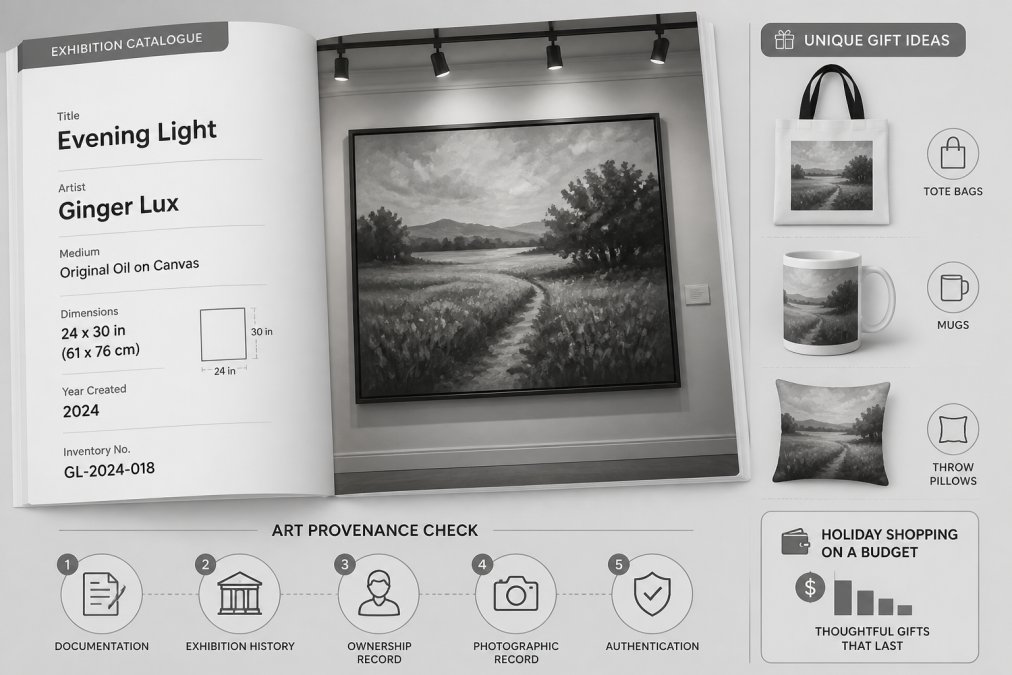
Check Exhibition Catalogues and Gallery Records
Works displayed in galleries or museums often appear in exhibition catalogues. These are official records that strengthen authenticity claims.
- Gallery exhibition catalogues. Request copies from galleries where the work was shown. These list the artist, title, dimensions, and often include a photograph.
- Museum records. If the piece was in a museum collection or exhibition, contact the museum directly. They maintain detailed records.
- Art fair catalogues. Major art fairs publish catalogues of exhibiting artists and works. Check if your piece appears.
- Dealer inventory records. Established dealers keep records of inventory. If the work passed through their hands, they may have documentation.
Step 3: Examine the Art Certificate of Authenticity
A certificate of authenticity is a document issued by the artist, gallery, or authenticator confirming that a work is genuine. It's valuable, but only if it's legitimate itself.
Verify the Certificate Issuer
Not all certificates carry equal weight. Ask:
- Who issued it? Was it the artist, a gallery, an auction house, or a professional authenticator? The issuer's reputation matters enormously.
- Is the issuer legitimate? Research the organization. Do they have a physical address, phone number, and verifiable track record? Fly-by-night "authenticators" are common in fraud schemes.
- Does the issuer specialize in this medium? A certificate from an expert in contemporary painting carries more weight than one from a generalist.
Reputable issuers include established galleries, recognized auction houses, and professional authenticators with credentials in art history or conservation.
Check for Serial Numbers and Security Features
Modern certificates often include security features to prevent forgery:
- Serial numbers or reference codes. These allow you to verify the certificate with the issuer.
- Holograms or watermarks. These are harder to copy and indicate a professional certificate.
- Issuer signatures. Hand-signed certificates by a known expert or gallery director carry more weight than printed signatures.
- Detailed artwork description. The certificate should include dimensions, medium, date created, and a photograph. Vague descriptions are suspicious.
A certificate without these features isn't necessarily fake, older works may have simpler documentation. But modern certificates should be detailed and secure.
Step 4: Inspect Signatures, Labels, and Physical Markings
The artist's signature and any labels on the work provide clues about authenticity. Examine them closely.
Artist signatures vary widely. Some artists sign consistently; others change their signature style over time. Research how the artist typically signs their work:
- Does the signature on your piece match known examples?
- Is the signature in the right location? (Many artists have preferred spots.)
- Is the ink consistent with the period when the work was created?
- Could the signature have been added later?
Labels on the back of paintings or sculptures often contain gallery information, exhibition details, or artist marks. Check for:
- Gallery labels. Professional galleries stamp or label the back of works they represent. These are hard to forge because they reference real galleries with verifiable addresses.
- Artist's studio marks. Some artists mark their work with a studio symbol or stamp.
- Auction house stickers. If the work was sold at auction, the auction house may have applied a sticker or code. These can be verified with the auction house.
Step 5: Learn How to Spot a Reproduction Painting
A reproduction is a copy of an original work, often mass-produced. Reproductions are legitimate products, but they must be sold as reproductions, not as originals.
Examine Materials and Condition
Originals and reproductions use different materials:
- Canvas or paper quality. Original paintings often use high-quality canvas or paper that shows age. Reproductions use cheaper materials that look uniform and new.
- Paint application. Original paintings show brushstrokes, texture, and layers. Reproductions are flat and uniform, the paint was applied by machine or printing press.
- Aging and wear. Originals show natural aging: slight yellowing, dust in crevices, wear on frames. Reproductions look artificially aged or too pristine.
- Weight and backing. Original paintings on canvas have weight and substance. Reproductions on paper or thin canvas feel flimsy.
Run your hand gently across the surface (if the owner permits). Can you feel brushstrokes? Is there texture? Originals have tactile depth. Reproductions are smooth.
Compare Against Known Examples
Research the artist's known works and compare:
- Style consistency. Does your piece match the artist's documented style? Fakes often miss subtle details or proportions.
- Color palette. Does the color match other works from the same period? Reproductions sometimes use different color separations or printing inks.
- Subject matter. Is the subject consistent with the artist's known themes and interests?
- Dimensions. Original dimensions are documented. If your piece doesn't match the catalogue entry, investigate why.
Visit museums or gallery websites to see high-resolution images of known originals. Compare composition, brushwork, and color directly.
Questions to Ask When Buying Original Art
Before you commit to a purchase, ask the seller these questions:
- Is this an original or a reproduction? Get a clear answer in writing.
- Do you have a certificate of authenticity? Ask to see it and verify the issuer.
- What is the provenance? Request documentation of ownership history.
- Has the work been restored or altered? Restorations are legitimate but should be disclosed.
- Can you provide references? Ask for previous buyers or galleries that have worked with this seller.
- What is your return policy? Legitimate sellers stand behind their work.
- Are you a verified art dealer or gallery? Check their credentials and reputation.
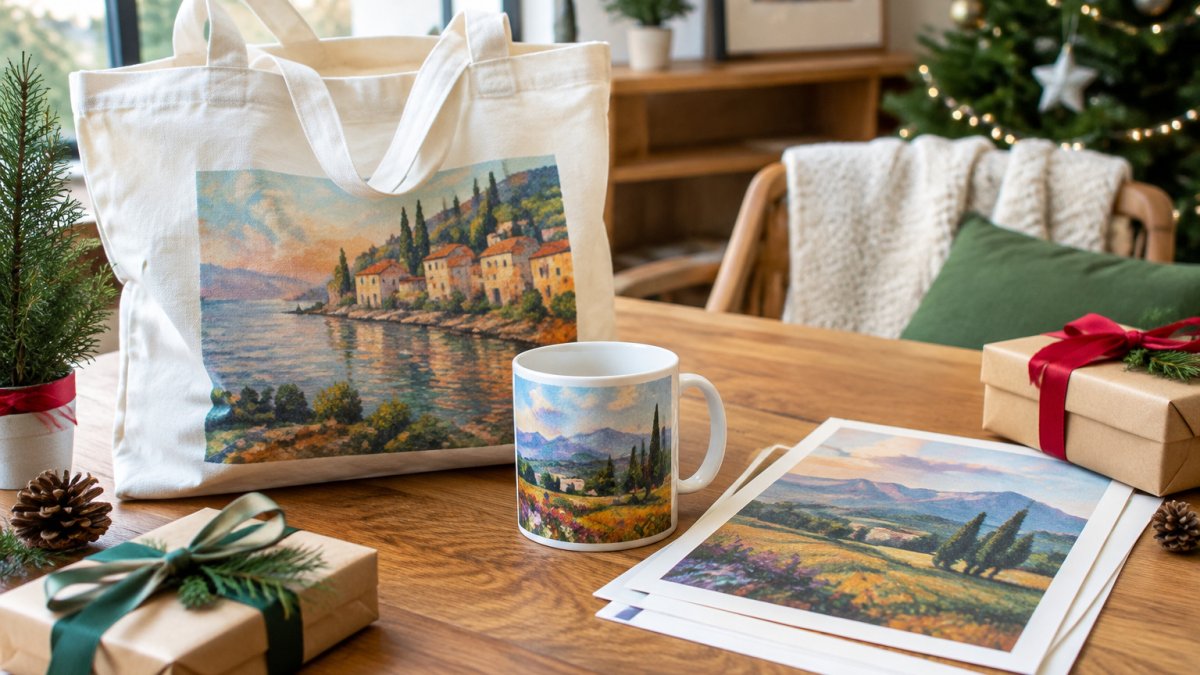
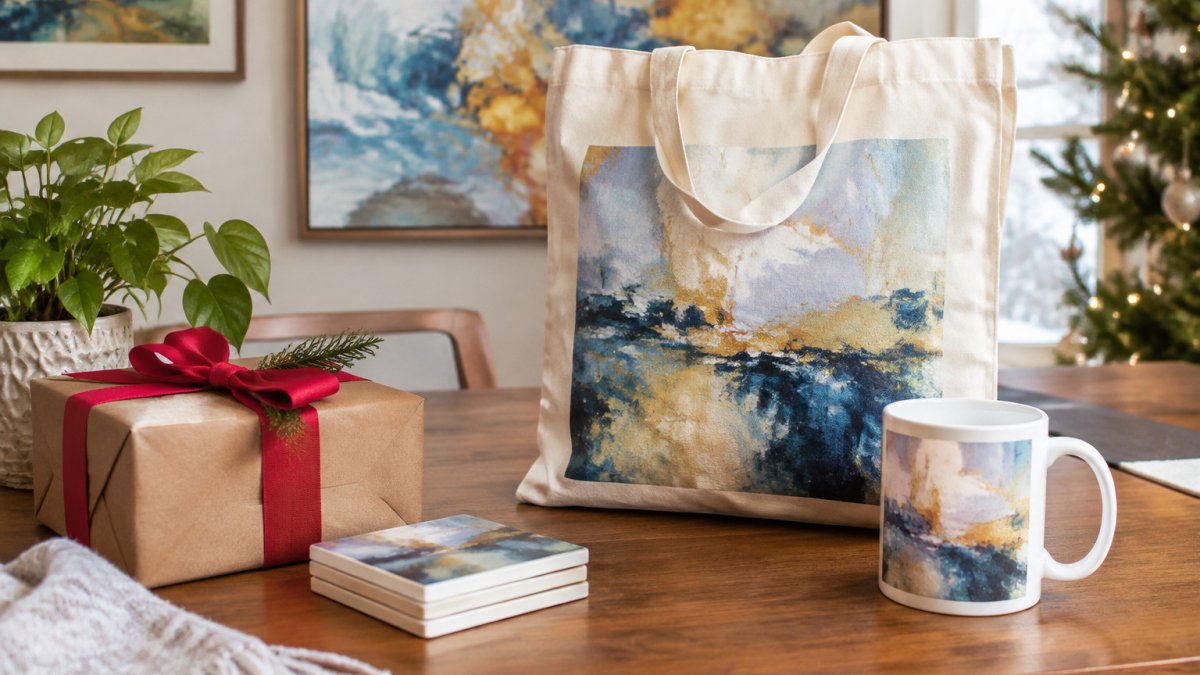
At Lux Landscape Art, we're transparent about every piece. If you're buying art-printed merchandise, you deserve to know exactly what you're getting and why it's authentic.
Red Flags: Fraud Indicators and What to Avoid
Watch for these warning signs when evaluating artwork:
- No documentation. If the seller has no receipts, certificates, or provenance, walk away.
- Pressure to buy quickly. Legitimate sellers don't rush you. Scammers do.
- Inconsistent stories. If the seller's explanation of the work's history changes, that's a red flag.
- Unusually low prices. If an original is priced far below market value, ask why.
- Seller unwilling to answer questions. Professional sellers welcome scrutiny.
- Certificate from unknown issuer. Research any authenticator before trusting their certificate.
- Work doesn't match known examples. If the style, subject, or signature doesn't align with the artist's documented work, be skeptical.
- Physical inconsistencies. Mismatched materials, visible repairs, or signs of recent aging are suspicious.
| Red Flag | What It Means | What to Do |
|---|---|---|
| No documentation | Missing receipts, certificates, or ownership history | Request full provenance or decline the purchase |
| Pressure to buy | Seller rushes you or limits your inspection time | Walk away, legitimate sellers are patient |
| Inconsistent stories | Seller's explanation changes or contradicts itself | Trust your instinct and decline |
| Unusually low price | Price far below market value for similar works | Ask detailed questions about why |
| Unwilling to answer questions | Seller avoids specifics or gets defensive | This is a major warning sign |
| Unknown certificate issuer | Authenticator has no verifiable reputation | Research the issuer or get a second opinion |
| Doesn't match known examples | Style, signature, or subject differs from documented work | Compare directly with museum or gallery images |
| Physical inconsistencies | Visible repairs, mismatched materials, artificial aging | Have a professional examine it |
| No verifiable business | No address, phone, website, or gallery affiliation | High risk, avoid |
Authenticity is about trust. The more transparent a seller is, the safer your purchase.
Buying original art should feel exciting, not risky. When you shop with confidence, you're not just acquiring a beautiful piece, you're investing in something genuine. At Lux Landscape Art, we make that confidence possible. Explore our curated collection of original fine art and art-printed merchandise, and shop with the peace of mind you deserve.
Frequently Asked Questions
How do you know if a painting is original?
Check multiple factors: verify the artist's identity and background, examine the certificate of authenticity and its issuer, review the ownership history and provenance, inspect the physical condition and materials, and compare the piece against known examples of the artist's work. Original artwork typically shows consistent brushwork, authentic aging, and documented provenance. A reputable seller like Lux Landscape Art provides transparent documentation and artist verification.
What documents help verify an artwork's authenticity?
Essential documents include a certificate of authenticity from a recognized issuer, sales receipts and invoices showing ownership history, exhibition catalogues listing the work, gallery or auction house records, and artist statements. These form your provenance chain. Cross-reference multiple documents rather than relying on one. If a seller cannot provide clear documentation, that's a significant red flag about the artwork's authenticity.
What should I ask an artist or gallery before buying original art?
Ask: Is this an original or a reproduction? Can you provide a certificate of authenticity? What is the complete provenance and ownership history? Are there exhibition records or catalogue listings? Can I see sales receipts from previous owners? What materials and medium were used? Is there a return policy if the piece doesn't match its description? A trustworthy seller welcomes these questions and provides clear, documented answers.
How can I spot a reproduction painting versus an original?
Reproductions often show uniform aging, identical brushwork patterns, and lack authentic wear. Examine the canvas or surface texture, signature consistency, and material quality. Compare the piece to known examples of the artist's genuine work. Check if the style, color palette, and technique match their documented body of work. Original artwork shows individual variation, authentic aging patterns, and materials consistent with the artist's known practice and the artwork's purported age.